

Choosing the right camera angle isn’t just about aesthetics, it’s about accuracy. Learn how understanding Field of View (FOV) can help you avoid blind spots, reduce rework, and confidently plan your construction time-lapse setup.


Not all visibility methods are created equal. While live streaming sounds powerful, it drains budgets, bandwidth, and power. This post breaks down the real differences between live video, live view, and on-demand photo access, helping construction teams choose the smartest, most efficient way to monitor their jobsites.

Discover how one plug-and-play camera is reshaping jobsite monitoring. From 4K time-lapse to AI-powered safety alerts, this all-in-one solution helps construction teams reduce delays, cut site visits, and stay fully connected, no matter the location.


GoPro cameras have evolved far beyond their action-sports roots. In this post, we clear up 7 common misconceptions, from video quality to long-term automation, and explore why GoPros are now trusted in industries like construction and research.


School construction projects come with big expectations—from staying on budget to keeping the community informed. This post explores how school districts are using simple, privacy-conscious tech like DataLens to monitor progress, increase transparency, and reduce IT headaches—without overspending. Perfect for facility teams, superintendents, and project managers looking for smarter solutions.


5 Ways Time-Lapse Cameras Help Mitigate Risk and Prevent Delays on Construction Sites
Time-lapse cameras like DataLens and UpBlink—paired with CloudX—are more than just project visuals. They’re powerful tools for reducing construction risk and preventing delays. This blog outlines five key benefits:
1. Instant Visual Proof
Automated time-lapse footage gives teams immediate clarity on what happened and when—eliminating miscommunication and helping avoid schedule setbacks.
2. Dispute Prevention
Visual records of progress serve as objective documentation, reducing the risk of costly disagreements around scope, change orders, or claims.
3. Early Detection of Issues
AI in CloudX highlights anomalies in activity or scheduling, allowing teams to fix problems before they escalate into delays or budget overruns.
4. Stakeholder Alignment
Everyone from the jobsite to the boardroom can stay updated in real-time, minimizing friction and improving transparency across the project.
5. Cost-Effective Risk Management
With options like the under-$1,000 DataLens or the flexible UpBlink system, teams get affordable, scalable tools that deliver fast ROI through reduced risk exposure.
🎯 Bottom Line: Time-lapse cameras aren’t just for marketing—they’re risk mitigation tools that deliver operational clarity, accountability, and trust on every jobsite.




Capture Every Moment: The Ultimate Guide to Construction Time-Lapse
Want crystal-clear time-lapse footage of your construction projects? Avoid blurry videos, missed shots, and setup failures with our step-by-step guide. Learn how to choose the right camera, find the best placement, optimize settings, and ensure reliable power—so you never miss a moment. Plus, get expert tips on weatherproofing, security, and editing for professional results.
Read the full guide now and take your construction time-lapse to the next level!


Onsite Insights with Chris Leatherberry: Revolutionizing Construction with Prefab and Virtual Models
In this episode of Onsite Insights, Chris Leatherberry, project manager at Corbins, shares how two game-changing innovations—prefabrication (prefab) and virtual models (BIM)—are transforming jobsite efficiency. From cutting project timelines by 70% to improving team coordination, Chris reveals powerful insights for contractors and aspiring project managers alike.
Key Takeaways:
- Prefab: Accelerates projects by forcing detailed pre-planning, improving safety, and providing better control over environmental factors.
- Virtual Models: Tools like BIM prevent costly rework and delays by allowing teams to "build" projects digitally before breaking ground.
- Mental Health Advocacy: Chris emphasizes that mentally healthy teams work smarter and safer, urging leaders to prioritize worker well-being.
- Leadership Advice: Focus on empowering your team and embracing new technology to stay ahead in construction.
Want the full story, including Chris's top project management hacks?
Drop a comment with your thoughts—how has prefab or virtual construction impacted your projects? Let's discuss!


The construction technology (ConTech) industry saw remarkable breakthroughs in 2024, paving the way for even more transformative innovations in 2025 and beyond. With ongoing challenges like labor shortages, sustainability targets, rising costs, and the push for greater efficiency, technology continues to reshape how construction projects are designed, executed, and managed. Let’s dive into the key trends that defined 2024 and the innovations that will shape the future of construction.
Top ConTech Trends from 2024
1. Artificial Intelligence (AI) and Machine Learning (ML)
AI and ML have become essential in modern construction, offering data-driven solutions and automation that streamline decision-making. Some notable advancements in 2024 include:
- Smarter Project Planning: AI analyzed vast datasets to improve scheduling and resource allocation.
- Predictive Insights: ML models forecasted delays, helping mitigaterisks and minimize downtime.
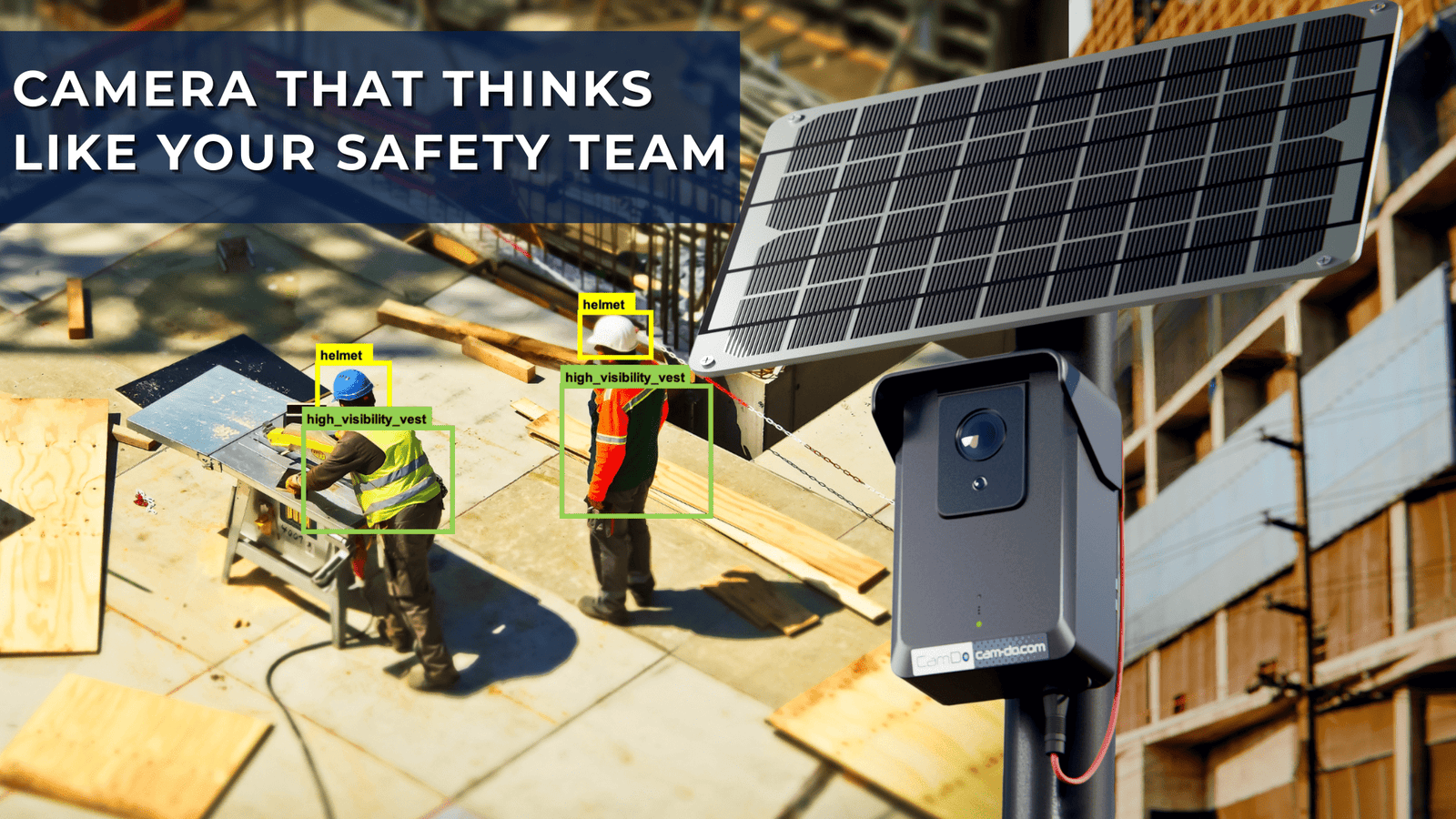
- Proactive Risk Management: AI-powered systems identified potential vulnerabilities early, enabling timely intervention. Just like CamDo's new Jobsite Intelligence that improves Safety and Productivity on job sites.

2. Building Information Modeling (BIM)
BIM continues to be a cornerstone of construction planning, with its 2024 evolution showcasing:
- Seamless Collaboration: Integrations with AI and IoT allowed stakeholders to visualize and coordinate more effectively.
- Digital Twins: BIM became the foundation for real-time monitoring and predictive maintenance through digital twin technology.
3. Sustainability and Green Construction
Sustainability remained a major focus, with strides made in:
- Energy-Efficient Design: Advanced modeling tools enabled smarter, eco-friendly building designs.
- Innovative Materials: Builders embraced low-carbon, recyclable materials for greener construction.
- Water Conservation: New systems were implemented to reduce water waste and support environmental goals.
4. Modular and Prefabricated Construction
Offsite construction gained momentum, addressing key industry challenges:
- Precision and Speed: Modular components manufactured in controlled environments improved accuracy and reduced on-site delays.
- Waste Reduction: Prefabrication minimized material waste, aligning with sustainability goals.
- Labor Efficiency: Modular methods lessened dependency on large on-site teams, alleviating labor shortages.
What’s Next? ConTech Innovations for 2025 and Beyond
As we look to the future, several exciting advancements are on the horizon:
1. Robotics and Automation
Robotics will transform workflows with:
- AI-driven construction robots for tasks like bricklaying and demolition.
- Autonomous machinery for excavation and heavy lifting, improving safety and reducing labor needs.
- Drones enhancing site surveys, inspections, and real-time monitoring.
2. Internet of Things (IoT)
IoT applications will grow, offering:
- Smart wearables like helmets to enhance worker safety.
- Efficient asset tracking and maintenance of materials and equipment.
- Energy optimization through intelligent building systems.
3. Augmented and Virtual Reality (AR/VR)
Immersive technology will redefine how construction projects are visualized and executed:
- AR-enabled helmets providing real-time construction plan overlays.
- VR training modules improving worker safety and reducing accidents.
- AR tools enabling stakeholders to see how designs come to life on-site.
4. 3D Printing and Advanced Materials
3D printing will gain traction with:
- Faster construction of complex structures, saving time and costs.
- Sustainable material innovations tailored for 3D printing applications.
5. Digital Twins
Digital twins will enable:
- Real-time building performance monitoring to optimize energy efficiency.
- Predictive maintenance that enhances building longevity and reduces downtime.
6. Blockchain in Construction
Blockchain technology will enhance transparency and efficiency through:
- Smart contracts that automate payments and reduce disputes.
- Supply chain tracking that ensures secure material sourcing and delivery.
7. 5G Integration
With 5G networks, the construction industry will experience:
- Faster communication and data sharing between IoT devices and platforms.
- Enhanced collaboration with real-time file sharing and teamwork.
- Greater IoT device integration, boosting efficiency and safety.
Building a Smarter Future
As the construction industry evolves, these advancements highlight the critical role technology plays in solving key challenges like sustainability, efficiency, and safety. Companies that embrace these cutting-edge innovations will be better positioned to lead in an increasingly competitive market. By leveraging the latest ConTech trends, the future of construction is brighter, more efficient, and sustainable.
Want to see these trends in action?
Check out our exclusive interview with Karl Sorensen, where he explains how these innovations are transforming the construction industry.